


Change happens in relationship.
Integrative, trauma-informed therapy across Massachusetts and Utah.
Most people who come to us have already tried to fix things on their own. They've read the books, learned the coping skills, and understood their patterns intellectually. What's often missing is a relationship where it's safe to be fully honest, and where old ways of relating can be noticed, understood, and changed in real time.
That therapeutic relationship is the anchor of our work. The methods matter, but they work because of the trust underneath them.
What the relationship makes possible
-
Many of our clients are used to being the capable one. Therapy is a place where you don't have to be.
-
The ways you protect yourself with others often show up with us too. When they do, we can work with them directly, not just talk about them.
-
Trust sets the speed. We don't push past what you're ready for, and we don't let things stay stuck.
-
We don't apply a protocol to you. We build the work with you, and we check in about what's helping.
Every part of you belongs here.
We celebrate all races, religions, genders, sexual orientations, and relationship configurations.
For LGBTQIA+ clients, including queer, trans, nonbinary, and polyamorous or non-monogamous clients, this is a space where who you are and who you love are honored.
Your identity is a source of strength, wisdom, and joy, and it belongs in the room. You won't have to educate us or edit yourself to be understood.
Whether your identity is at the center of why you're seeking therapy or part of the whole you, we're glad you're here.
What we help with
-
Constant urgency, overthinking, and exhaustion that rest doesn't fix
-
Including treatment-resistant depression and therapy alongside Ketamine or Esketamine care
-
Complex and early childhood trauma, at a pace you control
-
When drinking or other substances have become how you cope
-
The dynamics that keep repeating across partners, family, and work
The methods we draw on
Our approach is integrative. We draw on what fits you, not a single school of thought:
Psychodynamic therapy
Cognitive behavioral therapy (CBT) and Acceptance and Commitment Therapy (ACT)
Internal Family Systems (IFS)
Narrative therapy
Motivational interviewing
Trauma reprocessing
Trauma-sensitive yoga and mindfulness-based approaches


Meet our Clinicians
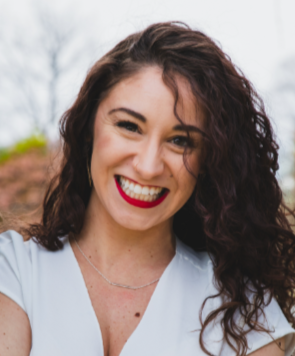
Julia Schechter, MSW, LICSW (she/her)
Julia has practiced for more than 16 years, with clinical roles at McLean Hospital, Brigham and Women's Hospital, and Cambridge Health Alliance, where she trained in the Victims of Violence Program under Dr. Judith Herman and later worked in the Outpatient Addictions Service under Dr. Mark Albanese. She has been in private practice since 2018 and teaches Advanced Clinical Practice classes at the Simmons University School of Social Work and Substance Use Disorders and Cognitive Behavioral Therapy classes at the Boston College School of Social Work.
She works with high-achieving adults facing anxiety, burnout, substance use, and treatment-resistant depression, and is a Registered Yoga Teacher and Trauma-Sensitive Yoga facilitator.
Modalities: Psychodynamic, CBT, ACT, Narrative Therapy, Motivational Interviewing, trauma reprocessing, Trauma-Sensitive Yoga
Education: B.A. Psychology, UMass Amherst; MSW, Boston College
Licensed in Massachusetts and Utah
Telehealth only
Sessions in English and Spanish
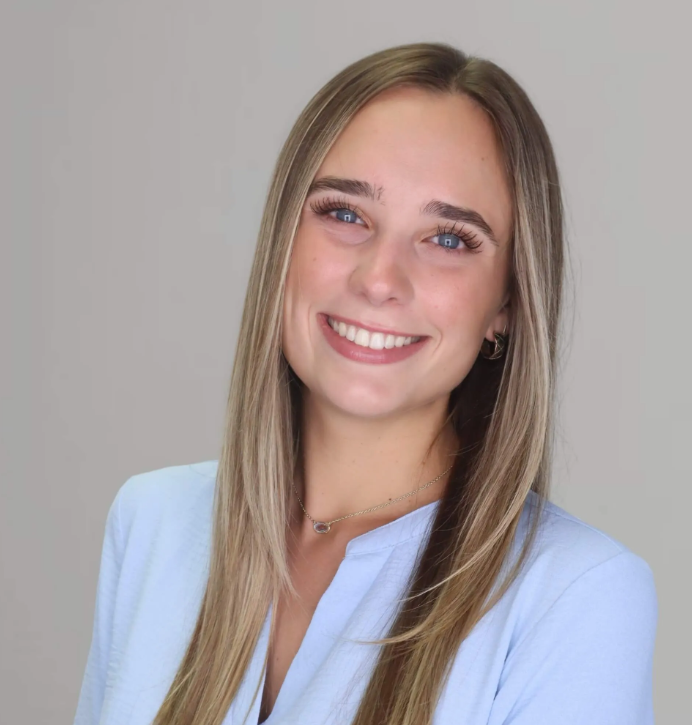
Kacey Malz, MSW, LCSW (she/her)
Kacey brings experience from the Tufts Medical Center Outpatient Psychiatry Department and Lumin Health, a Ketamine and Esketamine treatment clinic for adults with treatment-resistant depression.
Her work focuses on older adults, adult women with long-standing anxiety, adults with treatment-resistant depression, and parents of neurodivergent children.
Modalities: CBT, ACT, Internal Family Systems, Narrative Therapy
Education: B.A. Psychology & Communications, UConn; MSW, Boston College
Licensed in Massachusetts
Telehealth, plus in-person evening sessions in Brookline, MA
How to get started

Book a free intro call. A short conversation by phone or google meet about what's bringing you in.
We match you with a clinician based on your needs, schedule, and whether you want telehealth or in-person.
Begin with an initial session focused on your history and goals.
Frequently Asked Questions
-
It's a short phone or video conversation about what's bringing you in, what you're hoping will change, and practical details like scheduling and fees. It's also your chance to ask questions and get a feel for whether we're a good fit. There's no obligation to book afterward.
-
We'll recommend a match after the intro call based on what you're working on, whether you want telehealth or in-person sessions, and your schedule. Julia works primarily with adults navigating anxiety, burnout, substance use, trauma, and treatment-resistant depression.
Kacey brings experience in outpatient psychiatry and esketamine treatment settings, and offers evening in-person sessions in Brookline. If the fit doesn't feel right once you start, tell us. Switching is normal, and we'll help you find the right person, here or elsewhere.
-
es, with a few legal exceptions that every licensed clinician follows, such as a risk of serious harm to yourself or others, or suspected abuse of a child or vulnerable adult. We'll go over these in detail before we start.
-
We're out-of-network. If your plan has out-of-network benefits, you may be reimbursed for part of the cost. We provide SuperBills to make that easier, and recommend calling your insurance provider before the first session and asking specifically what they reimburse for CPT Codes: 90791, 90837, and 90834. We’re finding that BCBS PPO usually reimburses 80% of the session cost and Harvard Pilgrim PPO reimburses in full with a prior auth (always confirm this with your individual insurance carrier).
-
A superbill is an itemized receipt with the codes and details your insurer needs. We'll provide one monthly. You submit it through your insurer's member portal, by mail, or through a reimbursement app. Reimbursement depends on your plan's deductible and out-of-network rates.
-
Call the number on your insurance card and ask: Do I have out-of-network mental health benefits? What's my out-of-network deductible, and how much have I met? What percentage do you reimburse once it's met? Is there a limit on the number of sessions?
-
Private pay lets us focus on what you need rather than what an insurer will authorize. It also keeps your records more private, since we don't need to share details with an insurance company unless you choose to submit for reimbursement.
-
Yes. We accept HSA and FSA cards, along with major credit cards.
-
For many people, yes. Some clients prefer in-person work, which is available in Brookline.
-
Sessions canceled with less than 48 hours' (or 2 business days) notice are charged the full fee.
-
Under the federal No Surprises Act, you have the right to receive an estimate of expected costs if you're not using insurance. You can request one at any time.
-
We do not offer on-call crisis services after hours. If you're in danger, call or text 988, the Suicide & Crisis Lifeline, or go to your nearest emergency room.