


Trauma Treatment in MA, RI, and UT
For when the past still shapes the present.
Trauma doesn't always look like what people expect. Often it looks like a life that works on the outside, built around a nervous system that never fully stood down: staying on guard in relationships, reacting more strongly than the moment calls for, or feeling most at ease when you're busy.
Trauma therapy helps you understand how those patterns formed, what they protected you from, and what you need now, in this season of life.
What you might be carrying
Early childhood or developmental trauma
Complex trauma from repeated or long-term experiences
PTSD after a specific event
A sense that something happened that shaped you, even if you're not sure it "counts"
Old patterns that show up in relationships, work, or how you treat yourself
Anxiety, low mood, or drinking that sits on top of something older
You don’t need a diagnosis, or a clear story, to begin.
How we work with trauma
Our approach follows a principle at the heart of modern trauma treatment: recovery happens in phases, and it happens in relationship.
Safety and stability first. Before anything else, we build steadiness in your body, your days, and our work together.
Processing, when you're ready. If and when it's useful, we work with difficult memories directly, at a pace you set.
Reconnection. Over time, the focus shifts to how you want to live, relate, and move forward.
You stay in control throughout. Nothing is rushed, and nothing is forced.

Approaches we draw on
Psychodynamic therapy
Trauma reprocessing
Internal Family Systems (IFS)
Cognitive behavioral therapy (CBT) and Acceptance and Commitment Therapy (ACT)
Narrative Therapy
Trauma-sensitive yoga, for a body-based path to regulation

Who you’ll work with

Julia Schechter, MSW, LICSW (she/her)
Owner, PsychotherapistJulia trained at the Cambridge Health Alliance Victims of Violence Program under Dr. Judith Herman, whose work helped define how the field understands and treats complex trauma. She has more than 16 years of experience in trauma-informed care, with clinical roles at McLean Hospital, Brigham and Women's Hospital, and Cambridge Health Alliance, and teaches Advanced Clinical Practice classes at Simmons University and Substance Use and Cognitive Behavioral Therapy classes at the Boston College School of Social Work. She is also a Registered Yoga Teacher and trauma-sensitive yoga facilitator, integrating somatic interventions for clients who request body-based work. She offers services via telehealth in Massachusetts , Rhode Island, and Utah.
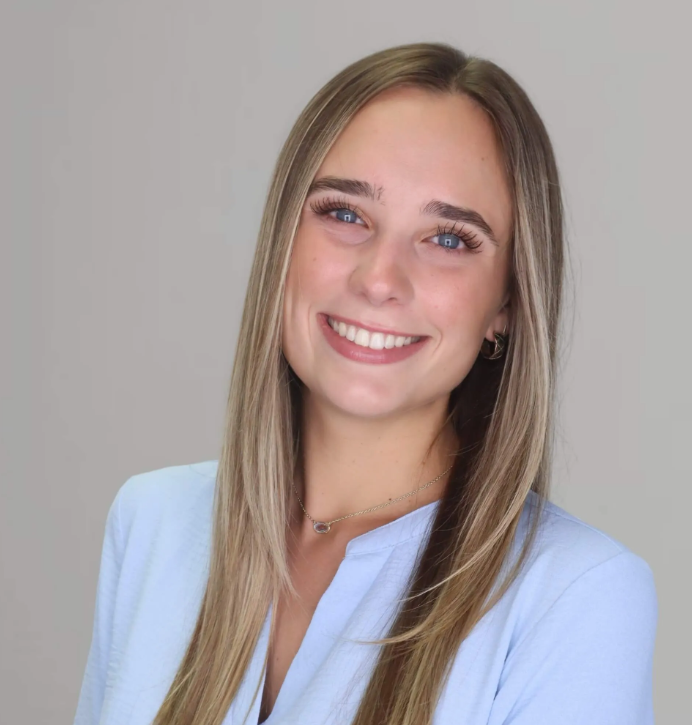
Kacey Malz, MSW, LCSW (she/her)
Kacey trained at the Tufts Medical Center Outpatient Psychiatry Department. She uses Internal Family Systems and Narrative Therapy to help clients make sense of the parts of themselves that developed to cope, and to rewrite the stories they've been living inside. She offers services via telehealth and evening in-person sessions in Brookline, MA.
PsychotherapistFrequently Asked Questions
-
It's a way of working that recognizes how overwhelming experiences shape present-day reactions, and that puts safety, choice, and collaboration at the center of treatment. You don't need to identify with the word "trauma" to benefit.
-
No. Many people spend the early part of therapy building stability and understanding patterns in the present. Whether, when, and how much to talk about specific memories is your decision.
-
That's common, especially with early or ongoing experiences. We work with what's affecting you now. You don't need a complete memory or a clear story to benefit.
-
PTSD often follows a specific event. Complex trauma (C-PTSD) usually develops from repeated or prolonged experiences, often in childhood or within relationships, and tends to shape how people see themselves and relate to others. Treatment approaches overlap but aren't identical, and we tailor the work to you.
-
Trauma work can stir things up, which is why we build stability first and pace the work carefully. If something feels like too much, we slow down. Feeling in control of the process is part of the treatment.
-
It varies. Some people come for a focused period to address a specific experience. Complex or early trauma usually benefits from longer-term work. We check in regularly about how it's going.
-
We do not offer an after-hours on-call crisis service. If you're in danger, call or text 988 or go to your nearest emergency room.